
PACE Programs
Driving Better Outcomes. Reducing Risk. Enabling Aging in Place.
Zemplee is a purpose-built technology platform that empowers PACE organizations to deliver on their mission: to keep older adults living safely in the community through all-inclusive, coordinated care, improve visibility across the continuum and manage risk proactively—without adding administrative burden.
With AI-powered remote monitoring, passive behavioral sensors, and automated vitals tracking, Zemplee enables PACE teams to support frail older adults living at home with confidence, dignity, and operational efficiency.
.png "Zemplee Sense (2)")
.png "Zemplee Pulse (1)")
Modern Tools for a Proven Care Model
The PACE model succeeds because of its holistic, team-based approach. But PACE programs face the unique challenge of managing high-risk, medically complex participants across home and day center environments. As participant complexity increases visibility and coordination become harder to maintain. Zemplee solves this by equipping your interdisciplinary team with real-time, data-driven insights—enabling faster response, earlier intervention, and better resource allocation.
Care Continuity beyond PACE Center for High-Risk Participants
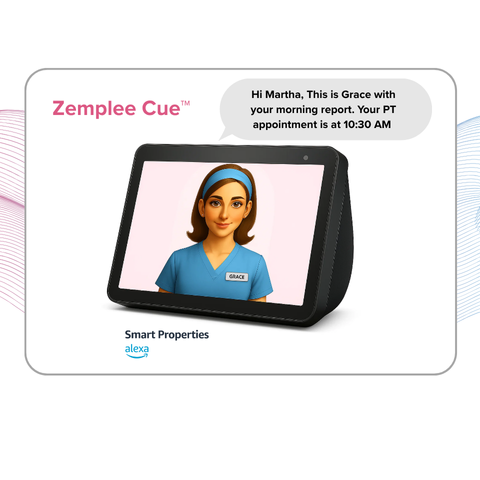
Zemplee gives PACE interdisciplinary teams a better view of how participants are doing between visits and while living at home. Passive monitoring and remote patient monitoring can help identify changes in health, activity, and daily routines earlier, giving the care team more information to act on. Mindful interventions that provide timely advice, education, and guidance further support the participant experience at home and help people managing multiple chronic conditions receive closer, ongoing support.
Chronic Conditions Supported by Zemplee
Zemplee can support monitoring and care management for PACE participants living with complex and chronic conditions, including:
-
Congestive Heart Failure (CHF)
-
Chronic Obstructive Pulmonary Disease (COPD)
-
Diabetes
-
Hypertension
-
Dementia
-
Atrial Fibrillation (AFib)
-
Orthostatic Hypotension
-
Protein-Calorie Malnutrition
-
Morbid Obesity
-
Falls
-
UTI
-
Sepsis
Zemplee Solutions for PACE
Zemplee CareSuite: A Comprehensive Oversight Platform
Zemplee CareSuite is a unified, intelligent monitoring platform designed specifically for senior care environments. It offers:
-
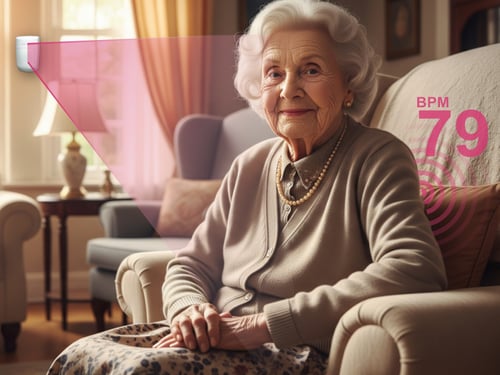
Passive, non-intrusive in-home monitoring of behavior and safety
-
Automated health data capture and wellness trend analysis
-
Predictive alerts to identify risks such as falls, isolation, or clinical deterioration
-
Real-time dashboards for care coordination across the interdisciplinary team
-
HIPAA-compliant, audit-ready documentation and analytics
CareSuite delivers everything your PACE team needs to keep participants safe at home—while reducing workload and improving response times.
Zemplee CareSuite Flex: Start Small, Scale Smart
CareSuite Flex gives PACE programs the power to tailor technology deployment based on clinical need, participant profiles, or operational priorities. With its modular design, you can:
-
Begin with a pilot group and expand across service lines or geographies
-
Mix and match capabilities based on acuity or care goals
-
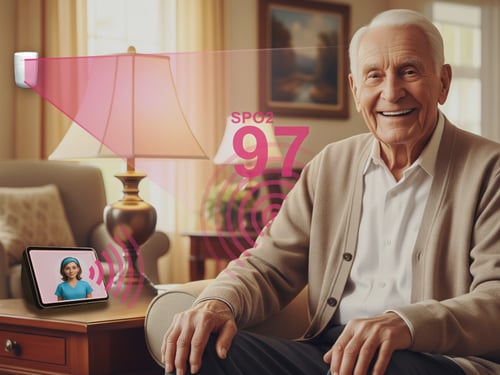
Layer in voice engagement, vitals tracking, or predictive analytics over time
-
Adjust deployment as risk levels, staffing, or funding evolve
Benefits for PACE Providers
-
Extend visibility beyond the clinic or day center, supporting safer aging in place
-
Reduce ER visits, hospitalizations, and readmissions through early risk detection
-
Lower total cost of care per participant by preventing avoidable interventions
-
Improve care team efficiency with automated alerts and documentation
-
Reduce missed visits and interventions with real-time visibility
-
Improve participant satisfaction and quality of life through dignified, non-intrusive support
-
Strengthen regulatory readiness with complete audit trails and data transparency
-
Free up staff capacity by automating check-ins, documentation, and wellness tracking
-
Enable scalable growth without increasing staff load or care delivery overhead
-
Improve STAR ratings and satisfaction metrics by delivering smarter, participant-centered care
Zemplee aligns with the Interdisciplinary Care
Approach of PACE
Built for the PACE Model
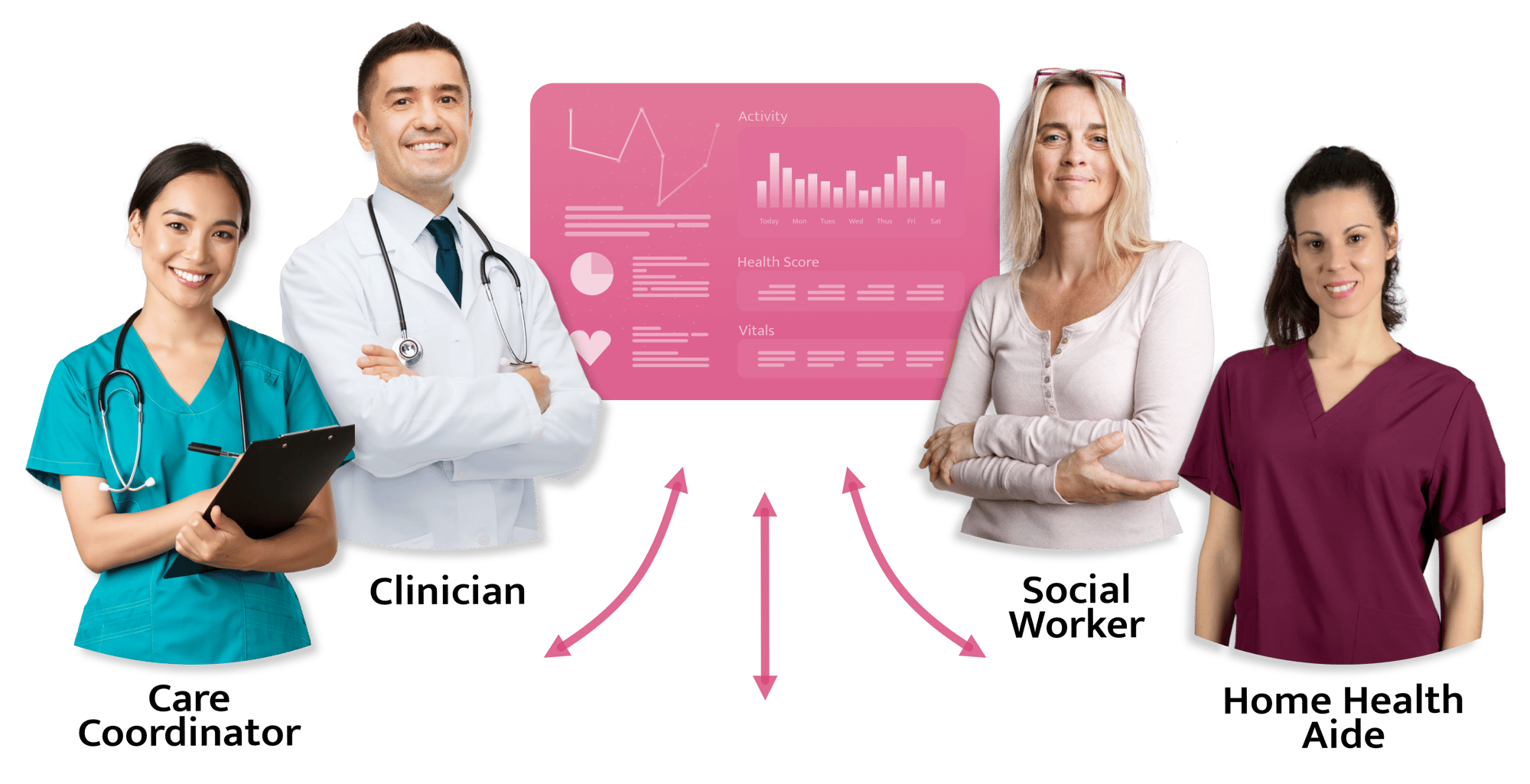
Zemplee aligns with the interdisciplinary care approach at the heart of PACE. Our platform supports care coordinators, clinicians, social workers, and home health aides with shared dashboards and actionable data—improving team communication and response times. With easy deployment in participants' homes, and optional integration into EHR systems, Zemplee fits seamlessly into your workflow and enhances participant-centered care.
A Strategic Partner in Sustainable PACE Growth
Zemplee aligns with your mission and your business model—enabling quality, compliance, and continuity of care, while protecting margins and optimizing staffing. We’re not just a technology provider; we’re a partner in participant success.
Participant-Centered. Risk-Aware. Cost-Effective.
Zemplee enables PACE programs to identify and address risk earlier, reduce utilization, and support participants with compassionate, tech-enabled oversight that feels like care—not surveillance. We help you scale your mission while controlling costs and ensuring compliance.
Maximize Impact. Minimize Friction.
Our platform is plug-and-play, configurable, and scalable—making it easy to pilot and expand. Whether you're managing 100 or 1,000 participants, Zemplee helps your team maintain oversight, reduce risk, and deliver high-touch care without adding operational strain.
Built for Interdisciplinary Teams
Zemplee enhances collaboration across the PACE care team—from physicians and nurses to home health aides and social workers—via shared dashboards, real-time alerts, and participant-specific risk profiles. Data is accessible, actionable, and secure, with HIPAA-compliant architecture and EHR integration capabilities.
.png?width=500&height=500&name=Images%20Repository%20(1080%20x%201080%20px).png "Images Repository (1080 x 1080 px)")
Passive Remote Monitoring for PACE: Key Questions
Should PACE programs use ambient sensing or passive monitoring technology?
Ambient sensing and passive monitoring can help PACE organizations understand how participants are doing between visits without requiring them to wear, charge, or actively use a device. The greatest value comes when sensing is part of a broader passive monitoring platform that turns changes in activity, routines, safety, and health into useful information for the interdisciplinary care team.
What is the difference between a passive monitoring platform and a passive monitoring product?
A passive monitoring product typically addresses a specific need, such as detecting a fall or monitoring activity. A passive monitoring platform brings multiple sources of information together to provide a more complete picture of the participant and support broader care needs over time. For PACE organizations managing complex populations, a platform approach can also provide greater flexibility as clinical and operational needs evolve.
How does passive remote monitoring fit into PACE clinical workflows?le
Passive remote monitoring extends visibility beyond scheduled visits at he PACE center. Changes in health, activity, safety, or daily routines can provide the interdisciplinary care team with additional information to determine when follow-up may be appropriate. The technology should complement existing clinical workflows rather than create another system that staff must continuously monitor.
Can a passive remote monitoring platform support chronic condition management?
Yes. Passive monitoring can complement remote patient monitoring and other clinical information by providing additional context about how a participant is doing at home between encounters. For participants managing conditions such as CHF, COPD, diabetes, hypertension, dementia, or atrial fibrillation, changes in vitals, activity, sleep, mobility, or daily routines may provide useful information for the care team to evaluate.
Passive monitoring does not replace clinical assessment or diagnosis; it provides another source of longitudinal information to support care management.
Should a PACE program build its own passive monitoring system or use an existing platform?
The decision depends on the organization's technical resources, clinical requirements, integration needs, and long-term strategy. Building a system requires more than deploying sensors: organizations must also consider device management, data infrastructure, security, clinical workflows, alerts, integrations, ongoing software development, and support.
For many PACE organizations, working with an established platform can reduce the operational burden while allowing the organization to focus its resources on participant care.
What should a PACE organization look for when choosing a passive monitoring platform?
PACE organizations should evaluate whether a platform can support participants with different levels of clinical complexity, work across home environments, integrate with existing care workflows, and provide useful information without creating excessive alerts or additional staff burden. Privacy, security, interoperability, scalability, implementation support, and the ability to support both current and future care needs should also be considered.
Most importantly, organizations should evaluate whether the technology produces information their care teams can actually use—not simply more data.
Lorem ipsum dolor sit amet, consectetur adipiscing elit. Nullam tempor arcu non commodo elementum.
How can passive remote monitoring help PACE participants remain safely at home?
Passive remote monitoring can provide greater visibility into changes that occur between PACE center visits, including changes in mobility, activity, daily routines, safety, and health. Earlier awareness can give the interdisciplinary care team additional information to assess whether a participant may need outreach, evaluation, or additional support.
Used alongside in-person care, remote patient monitoring, and other PACE services, passive monitoring can help extend care continuity into the home and support the goal of helping participants remain safely in the community.
Lorem ipsum dolor sit amet, consectetur adipiscing elit. Nullam tempor arcu non commodo elementum.
Let’s Support Aging in Place—Intelligently
Contact us to learn how Zemplee can help your PACE program improve participant outcomes, streamline care coordination, and enable a safer, smarter approach to independent living.
Let’s Redefine What In-Home Care Can Do
Schedule a conversation with our team to see how Zemplee can support your priorities: reducing risk, improving outcomes, and enabling care round the clock.
Schedule a demo
Explore Our Other Applications
-
Home Care
-
Home Health
-
Skilled Nursing Facilities
-
Senior Living
-
Hospital Readmission Reduction Programs
-
Accountable Care Organizations
-
Medicaid Home and Community Based Services