
Fall Prevention in Senior Living
Reducing falls starts with recognizing changes in a resident’s daily patterns before they become incidents. Passive monitoring can help care teams identify changes in movement, sleep, bathroom activity, and routines—giving staff greater visibility into potential fall risk and opportunities for earlier intervention.
Why Fall Prevention Matters in Senior Living
Falls are one of the most significant safety risks facing older adults. According to the National Institute of Aging More than one in four adults age 65 and older falls each year, and fall risk increases with age. Falls can lead to fractures, hospitalization, disability, reduced mobility, and loss of independence.
For senior living communities, fall prevention is therefore about more than responding quickly after an incident. It requires understanding the factors that can increase a resident’s risk — including changes in balance and gait, medications, cognitive impairment, nighttime bathroom needs, sleep, mobility, and the resident’s environment.
Traditional fall-prevention programs often rely on periodic assessments, staff observation, scheduled rounding, and incident reporting. These approaches remain important, but they may not reveal changes occurring between staff interactions. Continuous awareness of changes in a resident’s normal activity patterns can give care teams additional context to recognize when fall risk may be changing and determine when closer assessment or intervention is warranted.
From Fall Detection to Proactive Fall-Risk Monitoring
Fall detection tells care teams when a fall has occurred. Proactive fall-risk monitoring looks for changes in a resident’s normal activity patterns that may indicate increased risk before a fall occurs. Changes in movement, nighttime activity, bathroom routines, sleep, or time spent in bed or a chair can provide additional context for care teams to determine when a resident may need closer attention.
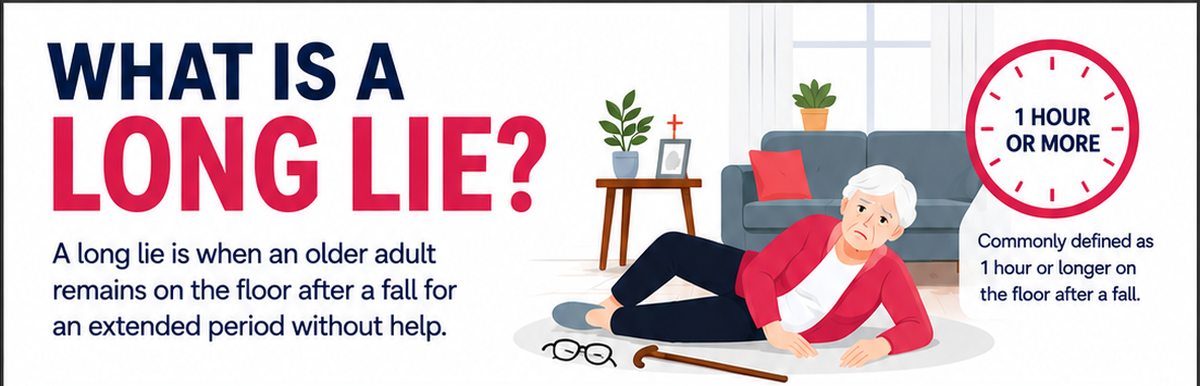
What Is a “Long Lie” After a Fall?
Fall-Risk Monitoring Without Cameras
Fall-risk monitoring does not require cameras or wearable devices. Passive monitoring technologies can observe patterns such as movement, room activity, sleep, bathroom visits, and time spent in bed or a chair without continuously recording video. When those patterns change from a resident’s normal routine, care teams can use that information as an additional signal to assess the resident and determine whether support or a care-plan adjustment may be needed.
How Zemplee Supports Fall Prevention in Senior Living
Zemplee uses passive, camera-free monitoring to help senior living care teams understand each resident’s normal activity patterns and recognize meaningful changes over time. Changes in movement, sleep, bathroom activity, time spent in bed or a chair, and other daily routines can give staff additional visibility into residents who may need attention. Care teams can then assess what has changed, intervene when appropriate, and incorporate relevant observations into the resident’s care plan.
Changes That May Signal Increased Fall Risk
-
More frequent nighttime movement
Changes in nighttime activity or repeated bed exits may warrant closer attention, particularly when they differ from a resident’s normal routine.
-
Changes in bathroom activity
More frequent or unusual bathroom visits can give care teams additional context when evaluating changes in fall risk.
-
Reduced daily movement
A noticeable decline in normal activity may indicate a change in mobility, strength, health, or overall function that deserves assessment.
-
More time spent in bed or a chair
Increasing sedentary time or difficulty returning to normal activity patterns may signal a meaningful change in the resident’s condition.
-
Changes in established routines
Deviations from a resident’s typical sleep, movement, or daily activity patterns can help staff recognize that something has changed and determine whether follow-up is needed. -
Changes in health conditions
New or worsening health conditions, illness, pain, weakness, dizziness, or changes following hospitalization can affect mobility and stability and may increase a resident’s fall risk.
-
Recent hospital or emergency department discharge
A resident returning from the hospital or ER may have changes in strength, mobility, medications, cognition, or daily routines. Increased awareness during the transition back to the community can help care teams recognize changes that may affect fall risk and determine whether additional support is needed.
Why Nighttime Falls Are a Particular Risk in Senior Living
Nighttime can create a convergence of fall-risk factors for older adults. Residents may wake to use the bathroom, get out of bed while sleepy or disoriented, navigate in low light, or experience changes in balance or mobility. At the same time, senior living communities typically have fewer staff available overnight, making early awareness of unusual nighttime activity especially valuable.
Changes such as more frequent bed exits, increased nighttime bathroom visits, unusual movement, or disrupted sleep patterns can provide care teams with additional context to determine whether a resident needs closer assessment or support.
Early Warning Signs That Fall Risk May Be Increasing
Increased fall risk may show up as a combination of changes rather than a single warning sign. Changes in walking or balance, weakness, dizziness, nighttime activity, bathroom frequency, sleep, daily movement, cognition, medications, or overall health can all warrant closer attention. A recent hospital or emergency department discharge can also represent an important change from a resident’s previous baseline.
The key is recognizing what has changed for that individual resident. Understanding a resident’s normal patterns over time can help care teams identify deviations earlier, assess possible causes, and determine whether the resident’s care plan or level of support should change.
What Should Care Teams Do After a Resident Falls?
After a resident falls, the immediate priority is the resident’s safety and appropriate clinical assessment. But the response should not end with the incident itself. Care teams should also look for factors that may have contributed to the fall, including changes in mobility, medications, health status, cognition, nighttime activity, bathroom patterns, or the resident’s environment.
Reviewing what changed before and after the fall can help the care team identify potential contributing factors, update the resident’s care plan, and determine whether closer monitoring or additional support is appropriate. Understanding changes from the resident’s normal baseline can also provide valuable context for reducing the risk of another fall.
Fall Prevention When Senior Living Communities Are Understaffed
When staffing is limited, fall prevention becomes partly a problem of attention: care teams cannot be everywhere at once. Scheduled rounding and resident checks remain important, but staff also need better visibility into which residents may be experiencing meaningful changes and when additional attention may be warranted.
Passive monitoring can provide an additional layer of awareness between staff interactions by identifying changes in movement, nighttime activity, bathroom routines, sleep, and other daily patterns. This can help care teams prioritize attention, investigate changes from a resident’s normal baseline, and make more informed decisions about where support may be needed.
Evidence for a More Proactive Approach to Fall Prevention
What the Evidence Tells Us About Fall Risk
Falls among older adults rarely have a single cause. The National Institute on Aging identifies multiple factors that can increase fall risk, including changes in balance and gait, muscle weakness, certain medications, cognitive impairment, vision and hearing changes, medical conditions, postural hypotension, bathroom urgency, foot problems, and environmental hazards.
This is why effective fall prevention requires a broader view of the resident. Strength and balance, medication management, vision and hearing, assistive devices, environmental safety, and changes in health or function can all matter. For senior living care teams, recognizing changes in a resident's condition and normal patterns can provide important context for deciding when further assessment or intervention is needed
Source: National Institute on Aging - Falls and Fractures in Older Adults
Evidence From Zemplee Deployments
In a six-month study at St. John’s Lutheran Community in Albert Lea, Minnesota, assisted-living residents using Zemplee experienced 9 total falls compared with 82 falls among residents in the control group — approximately 9× fewer falls. Both groups lived on the same floors and received care from the same staff.
The Zemplee group also began with substantially higher prevalence of several fall-related and cognitive diagnoses. Despite that higher clinical risk, all fall-related injuries and hospitalizations reported during the study occurred in the control group, and unwitnessed falls were approximately 8× more common among residents not using Zemplee.
Source: St. John’s Lutheran Community, Albert Lea, Minnesota — six-month Zemplee assisted-living study -> Read the study
Frequently Asked Questions About Fall Prevention in Senior Living
How can senior living communities reduce resident falls?
Senior living communities can reduce fall risk by combining regular fall-risk assessments with medication review, mobility and balance support, environmental safety, appropriate staffing, and ongoing awareness of changes in each resident’s health and daily routines. Passive monitoring can add another layer of visibility by helping care teams recognize changes in movement, sleep, nighttime activity, bathroom patterns, and other behaviors that may warrant assessment or earlier intervention.
Can senior living communities monitor fall risk without cameras?
Yes. Passive monitoring technologies can help care teams understand changes in a resident’s activity patterns without continuously recording video. Changes in movement, nighttime activity, bathroom routines, sleep, and time spent in bed or a chair can provide additional context for assessing changing fall risk. Camera-free monitoring can also help preserve resident privacy while giving care teams greater visibility between staff interactions.
What are early warning signs that a resident’s fall risk may be increasing?
Increased fall risk may appear as changes in walking or balance, weakness, dizziness, nighttime activity, bathroom frequency, sleep, daily movement, cognition, medications, or overall health. A recent hospital or emergency department discharge can also signal a meaningful change from the resident’s previous baseline. Recognizing changes in an individual resident’s normal patterns can help care teams determine when further assessment or additional support may be needed.
Why are nighttime falls a concern in senior living communities?
Nighttime can bring several fall-risk factors together. Residents may get out of bed to use the bathroom while sleepy or disoriented, navigate in low light, or experience changes in balance and mobility. Senior living communities may also have fewer staff available overnight. Changes in bed exits, nighttime bathroom visits, movement, or sleep patterns can give care teams additional context for determining when a resident may need closer attention.
What should care teams do after a resident falls?
After a fall, the immediate priority is resident safety and appropriate clinical assessment. Care teams should also review potential contributing factors, including changes in mobility, medications, health status, cognition, nighttime activity, bathroom patterns, and the resident’s environment. Reviewing changes from the resident’s normal baseline can help inform care-plan updates, additional monitoring, and other interventions intended to reduce the risk of another fall.
How can senior living communities manage fall risk when staffing is limited?
When staffing is limited, care teams need better visibility into which residents may require attention and when. Passive monitoring can provide an additional layer of awareness between staff interactions by identifying changes in movement, nighttime activity, bathroom routines, sleep, and other daily patterns. This information can help staff prioritize attention and investigate meaningful changes while supporting—not replacing—the role of caregivers.
A More Proactive Approach to Fall Prevention
Fall prevention is most effective when care teams can see more than individual incidents. Understanding each resident’s normal patterns — and recognizing meaningful changes in movement, sleep, bathroom activity, health status, and daily routines — can provide valuable context for earlier assessment and intervention.
Zemplee gives senior living communities an additional layer of visibility through passive, camera-free monitoring. By helping care teams recognize changes between staff interactions, Zemplee supports more proactive resident oversight while preserving privacy and keeping caregivers at the center of care.
Let’s Build a Safer, Smarter Community Together
Connect with our team to explore how Zemplee can transform your care model—starting small or scaling across locations. We’ll help you design a solution that fits your population, goals, and budget.
Schedule a demo